


Featuring Photography by Ryo Tomita
For Ryo Tomita, the photograph starts long before he touches a single brick. It starts with a story. He imagines a scene — a small piece of a life — and everything that follows exists to bring that story into the world. “Expressing the stories I imagine through photography is the reason I take photos,” he says. The composition, the build, the lighting, the tiny turn of a minifigure’s face — all of it serves the narrative he’s already seeing in his mind.
That instinct traces back to childhood. Ryo grew up in Japan, loving LEGO and playing with it constantly. Years later, scrolling through Instagram, he found a different kind of LEGO photography — images where minifigures were the main characters of a scene. Something sparked, and his love for LEGO became the engine for his photography.
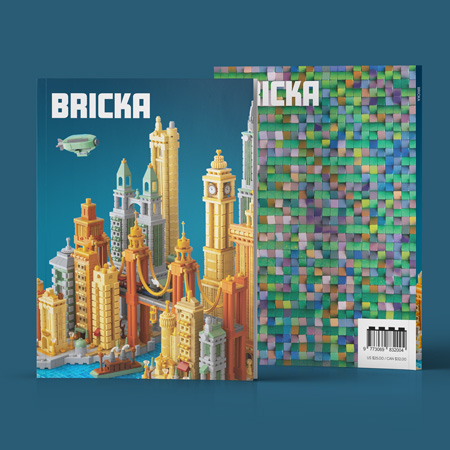
There's more! Continue reading this article by subscribing to BRICKA.
There's more! Continue reading this article by subscribing to BRICKA.
His work draws openly from cinema. He studies films for their lighting and framing, and he chases that same cinematic storytelling in a still frame. His process runs in a specific order: first, he decides what he wants to express, then he crafts the story around it, which leads to ideas on location, time of day, characters, clothing, and feeling. He arranges his minifigures, settles on a rough framing, and builds the background to fit. Everything is in service of the moment the camera will ultimately capture.
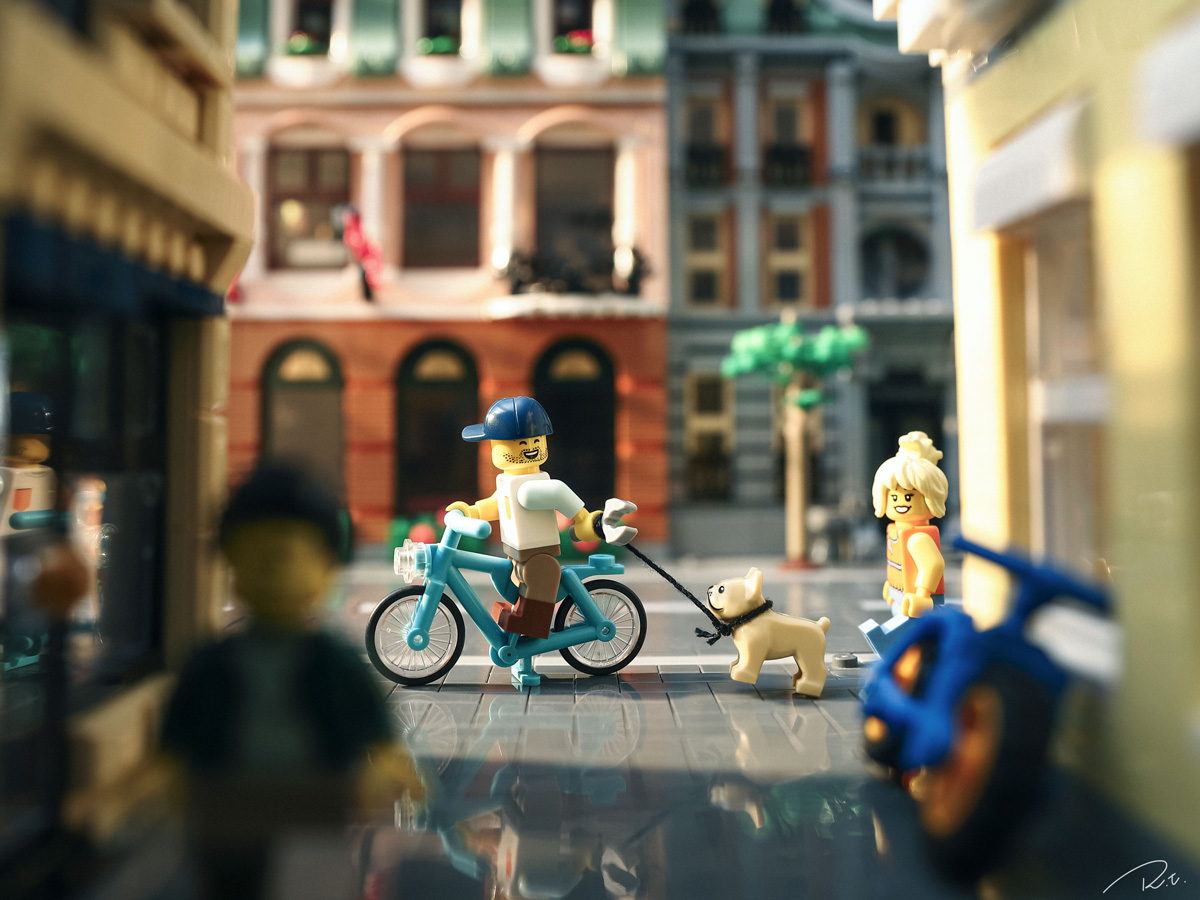
You can watch that philosophy at work in Walking the Dog by Bicycle. The scene is one Ryo actually witnessed in Tokyo — an owner pedaling down the street, leash in hand, while a dog trotted happily alongside. It lasted only a second in real life, but it stayed with him. He found himself imagining the whole relationship between them: the routine, and the small daily joy of being together. So he rebuilt it. He kept the foreground dark and shadowed to push the subjects forward, lifted the dog ever so slightly off the ground to suggest movement, and paid close attention to the way the owner looks back at his companion. A cute scene to be sure, but, as Ryo points out, moments like this are happening all the time, all around us.
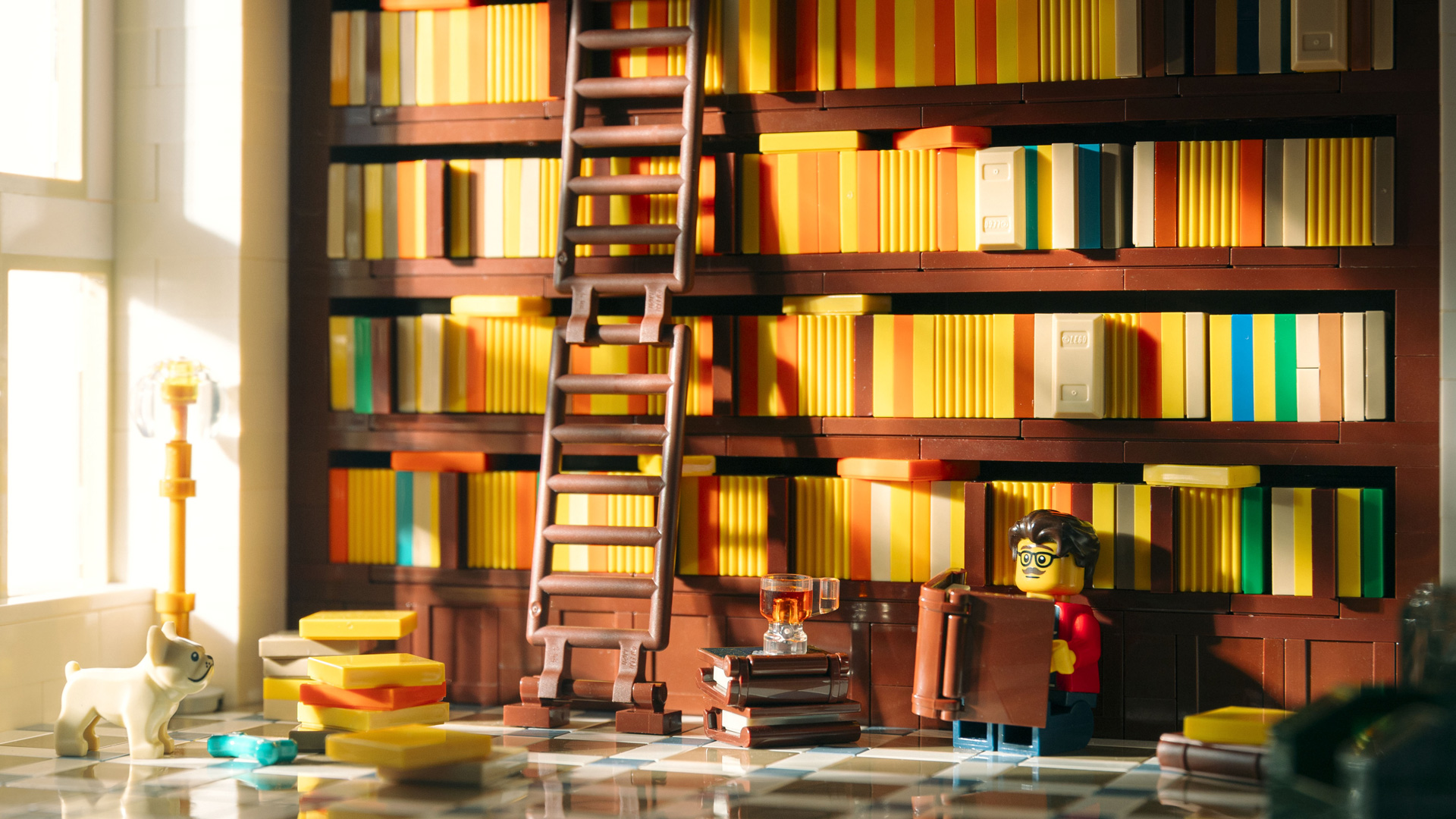
His command of light is what makes those moments feel so real. Ryo thinks about time and weather before anything else, imagining natural sunlight and shaping the scene to match it. In his photo of a small library, warm afternoon light rakes across a wall of colorful book spines, a ladder leaning against the shelves, the whole room glowing amber, reminiscent of fall foliage during sunset.
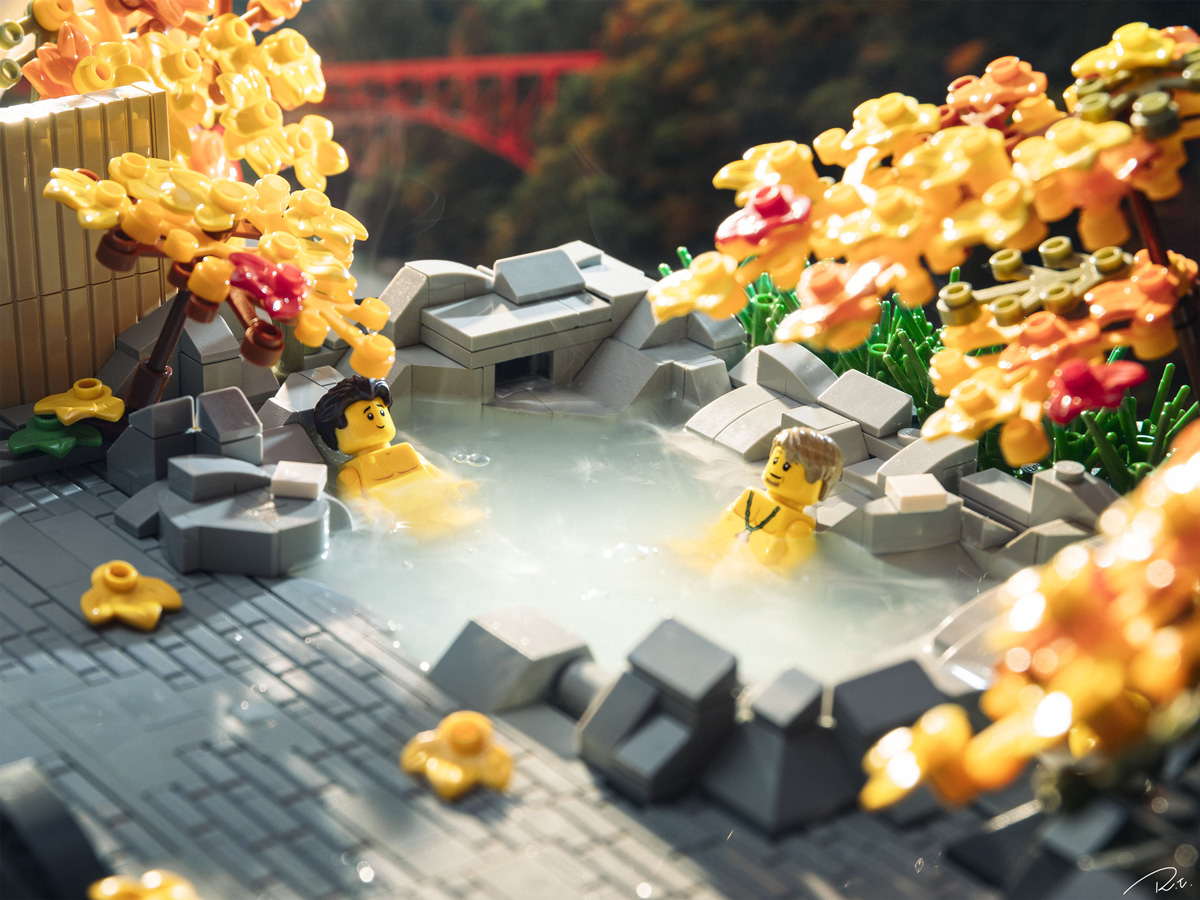
Sometimes the story he’s after is pure atmosphere. In Hot Springs and Autumn Leaves, two figures soak in an outdoor hot spring, steam curling up off the water, orange maple leaves spilling over the rocks, a red bridge dissolving into the mist beyond. Nothing is happening — it’s a moment of stillness and warmth you can almost feel on your skin. The small minifig faces express the quiet contentment of a cold day spent in warm water.
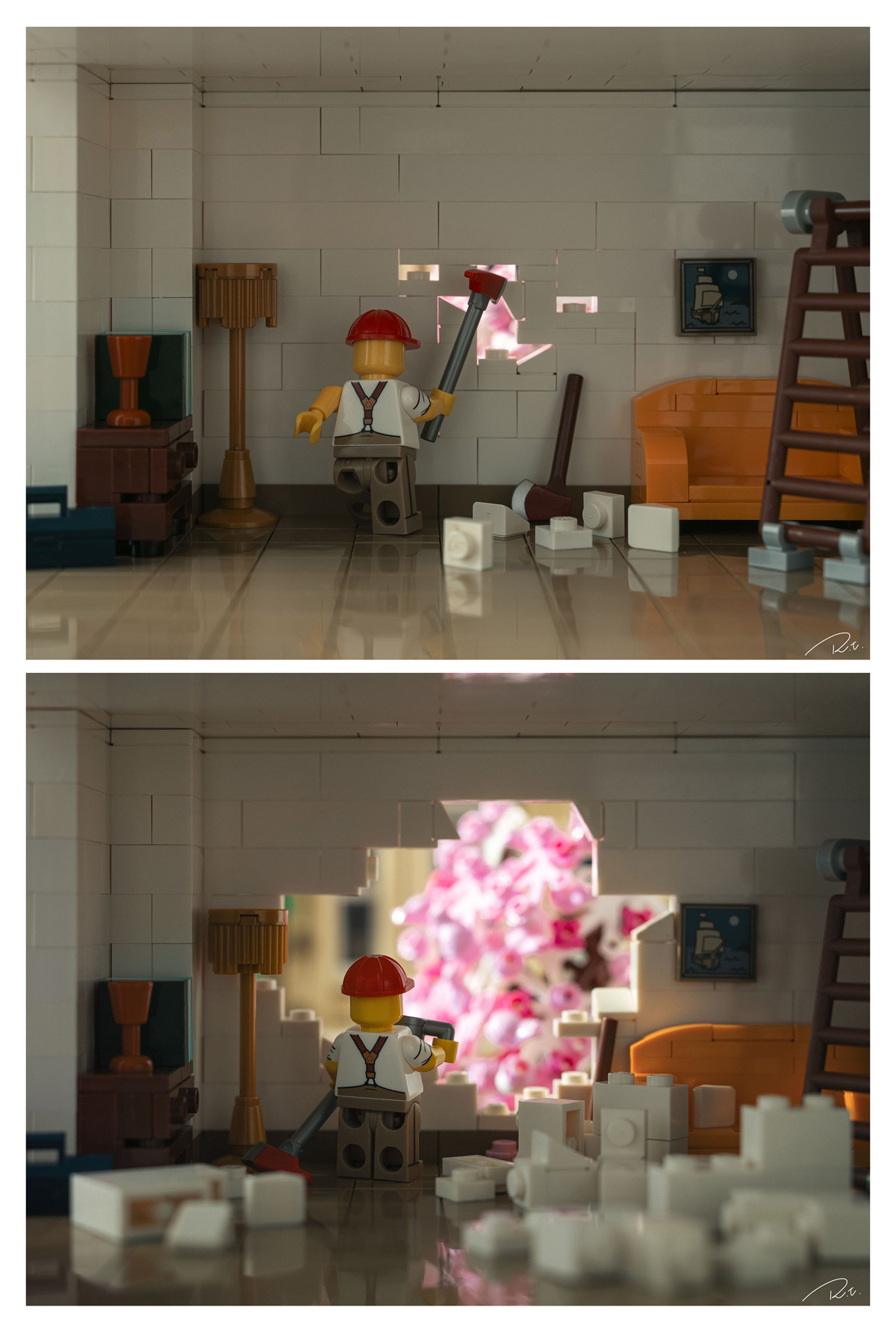
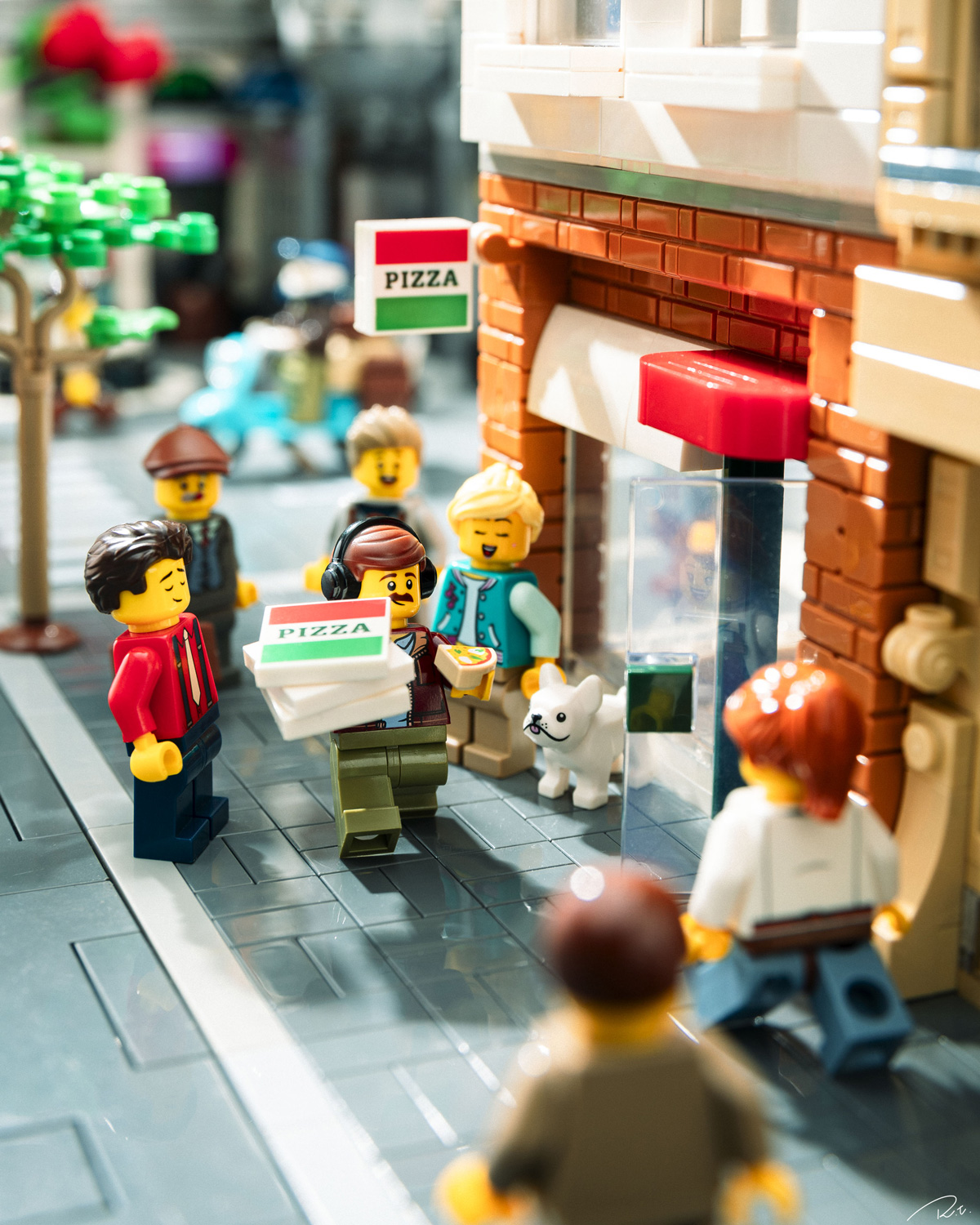
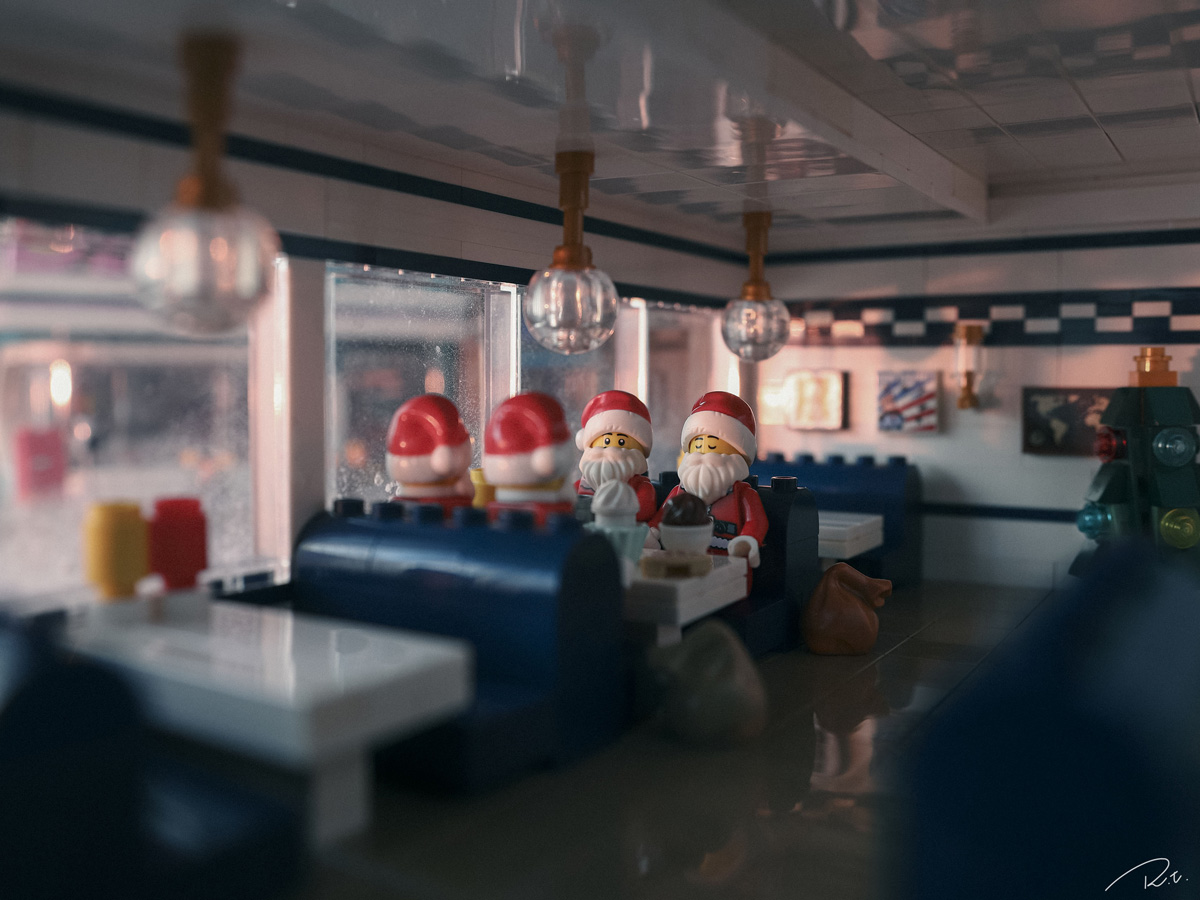
Santas After Work imagines the morning after Christmas — Santas slumped in a diner booth at dawn, the deliveries finished, everyone sharing a meal as the sun comes up. Most people picture Santa preparing gifts or flying through the night; Ryo wanted the fatigue that comes after. He designed the diner’s colors to make the red suit pop, gave one Santa a face heavy with tiredness, and fought hard with the lighting, blending reds and oranges to hold both the cold winter air and the soft warmth of a rising sun — a portrait at the end of a long night’s work.
Since he started photographing LEGO, Ryo says he pays closer attention to the small things in his own life. Recreating a moment he stumbled upon has a way of revealing it to be more special than he first realized. That’s what he hopes people take from his work — the joy of our little world, and the happiness tucked inside ordinary days. He’ll tell you the best photos come on the days he’s having the most fun making them — the joy comes through the photo because it was there in the making.